

FIP Treatment Success Story
FIP Treatment Is Changing the Story for Cats: One Kitten’s Remarkable Recovery

For years, a diagnosis of feline infectious peritonitis (FIP) felt heartbreaking and hopeless for many cat owners. FIP, a serious disease caused by a mutation of feline coronavirus, was once considered almost universally fatal. Today, that story is beginning to change.
At our clinic, we recently cared for a young tuxedo domestic shorthair kitten whose journey reminded us just how far veterinary medicine has come and how important persistence, teamwork, and hope can be.
A Frightening Diagnosis in a Young Kitten
Our patient was an under-one-year-old female tuxedo domestic shorthair kitten who began showing signs that something was wrong. While she and her sister had grown up together in the same environment, only one kitten developed FIP, a reminder that this disease can be unpredictable and devastating.
FIP occurs when a common feline coronavirus mutates inside the body, triggering an abnormal immune response. Most cats exposed to feline coronavirus never develop FIP, which makes cases like this especially difficult for pet owners to understand.
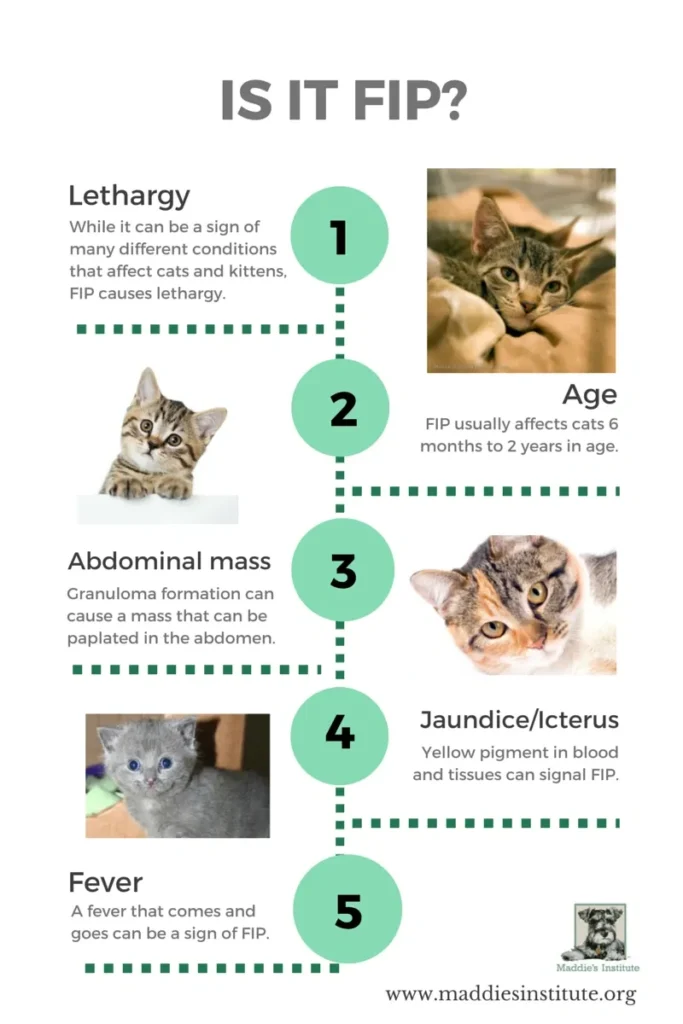
Early signs of FIP can be vague and easy to miss, including:
- Persistent fever
- Weight loss
- Decreased appetite
- Lethargy
- Fluid accumulation in the abdomen or chest
- Neurologic or eye abnormalities in some cases
Because symptoms can mimic many other diseases, diagnosing FIP often requires a combination of lab work, imaging, physical examination findings, and clinical suspicion.
A New Era of Treatment for FIP
Not long ago, supportive care was often the only option available for cats diagnosed with FIP. However, antiviral medications such as GS-441524 have dramatically changed outcomes for many patients.
When this kitten was diagnosed, Dr. Angela and Dr. Beth immediately began working to find a specialty pharmacy that could provide GS-441524 treatment as quickly as possible. Access to treatment has improved significantly in recent years, but obtaining medication can still require determination, coordination, and careful case management.
The standard treatment protocol typically involves 84 days of antiviral therapy, along with close monitoring through exams and bloodwork.
That treatment period can feel overwhelming for families. Daily medication schedules, recheck appointments, financial considerations, and emotional stress all become part of the process. But for many cats, the results can be life-changing.
84 Days Later: A Different Outcome
After completing her full 84-day treatment course, this sweet tuxedo kitten is doing well and showing remarkable improvement.
Seeing her regain energy, appetite, and quality of life has been incredibly rewarding for both her family and our veterinary team. Outcomes like hers were extraordinarily rare only a few years ago.
While not every cat responds to treatment, and FIP can still be a very serious disease, advances in antiviral therapy are giving many cats a chance they simply did not have before.
Why Awareness Matters
One of the most important things cat owners can do is seek veterinary attention early when a kitten or young cat seems unwell. Persistent fever, unexplained weight loss, lethargy, or fluid buildup should never be ignored.
The earlier FIP is recognized and treatment is started, the better the chances for a positive outcome in many cases.
This case also highlights an important reality: FIP is not caused by anything an owner did wrong. Even littermates raised together may have completely different outcomes, as we saw with this kitten and her sister.
Hope for the Future of Feline Medicine
Veterinary medicine continues to evolve rapidly, and diseases once considered untreatable are beginning to look very different. Cases like this remind us why ongoing research, compassionate care, and collaboration matter so much.
We are incredibly happy to see this young tuxedo girl thriving after treatment, and we are grateful her family trusted us through every step of her journey.
If your cat has been diagnosed with FIP or is showing concerning symptoms speak with your veterinarian promptly. Treatment options available today may offer more hope than ever before.
FIP Resources for Cat Owners
Receiving a diagnosis of feline infectious peritonitis (FIP) can feel overwhelming and emotional. Fortunately, treatment options and support resources for cat owners have expanded tremendously in recent years. Below are trusted educational and support resources that may help families better understand FIP, treatment options, monitoring, and ongoing care.
Understanding FIP
- Cornell Feline Health Center – FIP Overview
A trusted veterinary resource explaining what FIP is, symptoms, diagnosis, and current understanding of the disease. - UC Davis School of Veterinary Medicine – FIP Information
Excellent educational information from one of the leading veterinary research institutions studying FIP.
Treatment & Support Resources
- EveryCat Health Foundation
Provides research updates and feline health education, including emerging information about FIP therapies. - FIP Global Cats
Educational support community offering guidance and information for owners navigating FIP treatment journeys. - FIP Warriors 5.0
One of the largest international owner support communities focused on helping families navigate FIP diagnosis, treatment support, monitoring, and shared experiences.


Click Here to Visit Our Online Store

Hurricane Updates!


 Call Now!