

Heartworm Disease: Why Prevention Is Always Better Than Treatment
If you’ve ever heard your veterinarian emphasize year-round heartworm prevention, you might have wondered: Is it really that important? The short answer is yes—and for a very good reason.
Heartworm disease is a serious and potentially life-threatening condition affecting dogs and, less commonly, cats and ferrets. It’s caused by a parasitic worm called Dirofilaria immitis, which lives in the heart, lungs, and associated blood vessels of infected animals. Once established, these worms can cause severe lung disease, heart failure, and long-term organ damage.
The good news? Heartworm disease is almost entirely preventable. That’s why veterinarians consistently say prevention is far easier, safer, and less expensive than treatment.
Let’s walk through how heartworm disease happens, what it does to pets, and why prevention truly is the best medicine.
What Exactly Is Heartworm Disease?
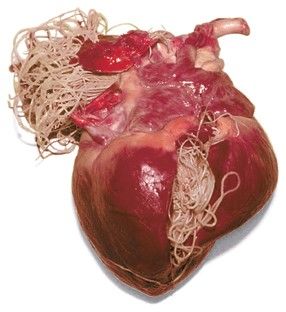
What Exactly Is Heartworm Disease?
Heartworm disease occurs when parasitic worms grow inside a pet’s cardiovascular system. These worms can grow up to 12 inches long and live for several years.
Dogs are the natural host for heartworms, meaning the parasites can mature and reproduce easily inside them. Cats can also become infected, but the disease behaves differently in felines.
Inside a dog’s body, heartworms typically settle in the:
- Pulmonary arteries (the vessels carrying blood to the lungs)
- Heart, especially the right side
- Nearby blood vessels
Over time, the presence of these worms
How Do Pets Get Heartworms?
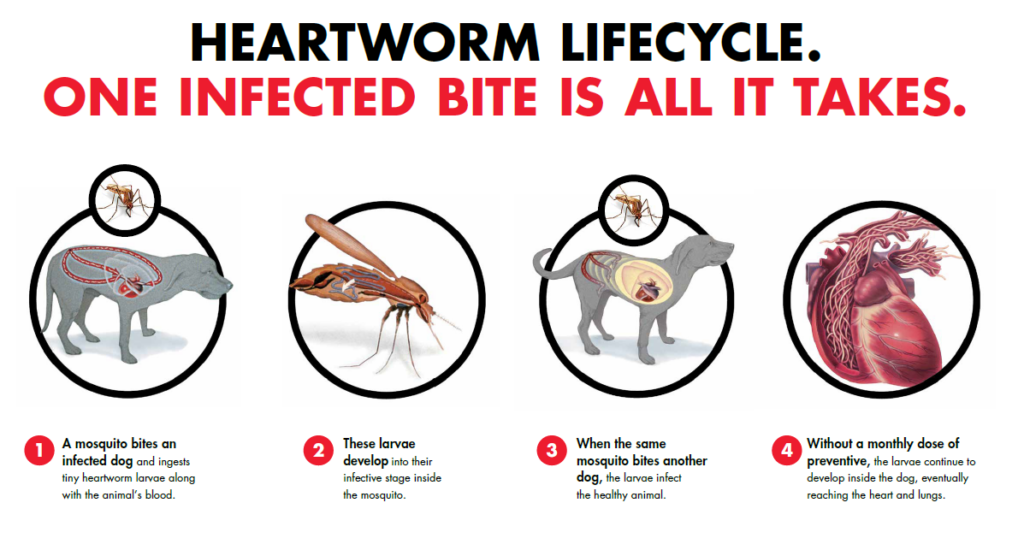
Heartworms are transmitted through mosquito bites.
Here’s how the cycle works:
- A mosquito bites an infected animal and picks up microscopic heartworm larvae.
- Those larvae develop inside the mosquito.
- When the mosquito bites another animal, the larvae enter the new host through the skin.
- Over the next several months, the larvae mature into adult worms living in the heart and lungs.
Because mosquitoes are widespread across the United States—especially in warm, humid regions—pets can be exposed almost anywhere.
Even indoor pets are not completely protected since mosquitoes can easily enter homes.
Signs of Heartworm Disease in Dogs
Heartworm disease often develops slowly and silently. Many dogs show no symptoms during the early stages.
As the disease progresses, common signs may include:
- Persistent cough
- Exercise intolerance
- Fatigue after mild activity
- Weight loss
- Decreased appetite
- Difficulty breathing
- Swollen abdomen from fluid accumulation
In severe cases, dogs can develop a condition called caval syndrome, where a large number of worms block blood flow in the heart. This is a life-threatening emergency that requires immediate veterinary care.
Heartworm Disease in Cats
Although cats are less commonly infected, heartworm disease in cats can be more unpredictable and dangerous.
Cats often develop a condition known as Heartworm-Associated Respiratory Disease (HARD), which can resemble asthma.
Symptoms in cats may include:
- Coughing or wheezing
- Vomiting
- Difficulty breathing
- Lethargy
- Sudden collapse or death in rare cases
Unlike dogs, there is currently no approved treatment to eliminate heartworms in cats, which makes prevention especially important.
Why Heartworm Treatment Is So Difficult
If heartworms are detected in a dog, treatment is possible—but it’s not simple.
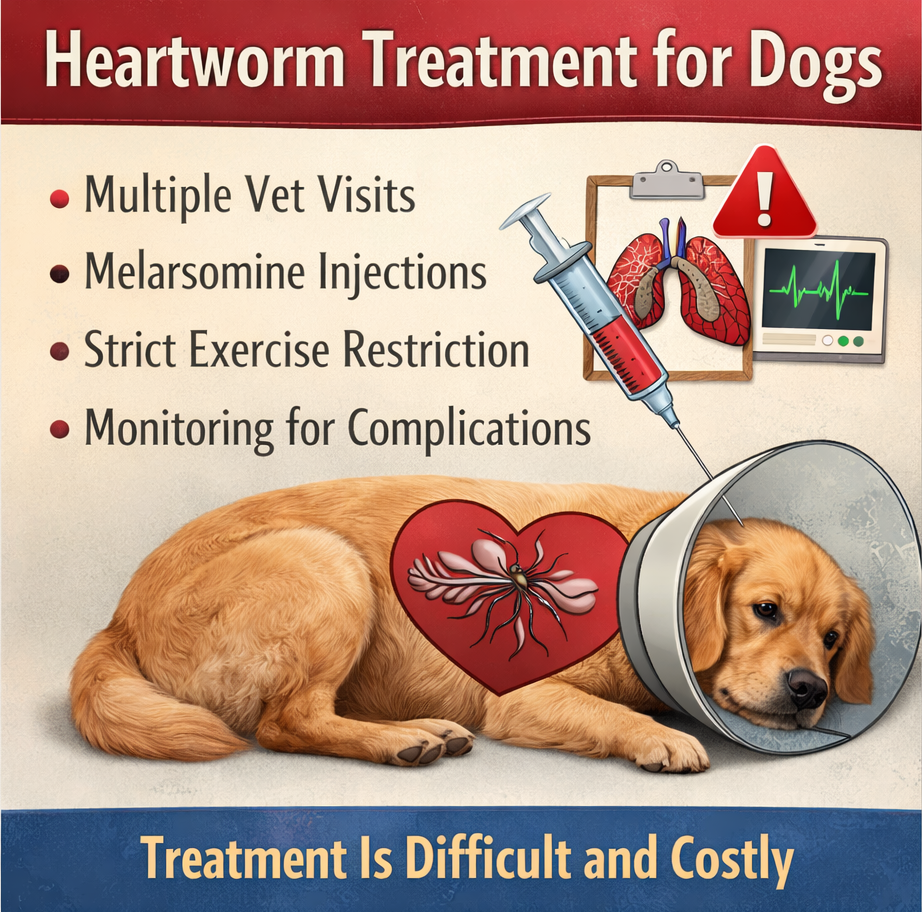
Heartworm treatment typically involves:
- Multiple veterinary visits
- A series of injections with a medication called melarsomine
- Strict activity restriction for several weeks
- Monitoring for complications such as blood clots
The treatment works by killing adult worms, but as those worms die, they can break apart and obstruct blood vessels in the lungs. This is why dogs undergoing treatment must remain very calm and inactive during recovery.
Treatment can also be expensive, often costing significantly more than prevention over time.
Why Prevention Is the Best Choice
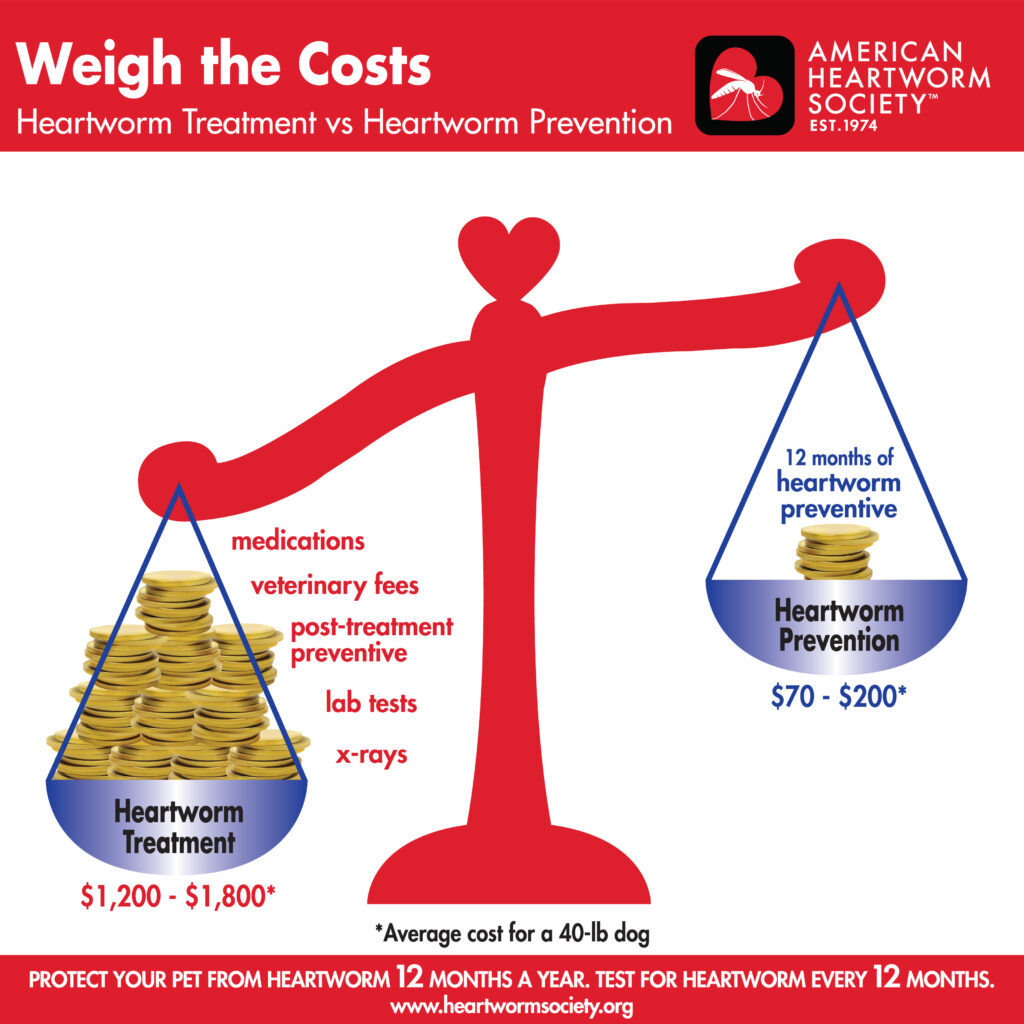
Preventing heartworm disease is dramatically easier than treating it.
Heartworm prevention medications work by eliminating immature larvae before they can develop into adult worms.
Most preventive options are given:
- Monthly chewable tablets
- Topical medications
- Long-acting injections given by a veterinarian
Benefits of prevention include:
- Protecting your pet from a serious disease
- Avoiding complex and stressful treatment
- Lower long-term costs
- Peace of mind for pet owners
Veterinarians also recommend annual heartworm testing, even for pets on prevention, to ensure the medication is working properly and your pet remains protected.
Heartworm Risk in the Gulf Coast and Southern United States
Regions with warm temperatures, high humidity, and abundant mosquito populations—like Louisiana and the Gulf Coast—tend to have higher rates of heartworm disease.
Because mosquitoes can remain active for much of the year, veterinarians in these areas typically recommend year-round prevention rather than seasonal dosing.
Even one missed dose can leave a window of vulnerability for infection.
The Takeaway: Prevention Protects Your Pet
Heartworm disease is one of the most serious parasitic diseases we see in veterinary medicine—but it’s also one of the most preventable.
With simple monthly medication and routine testing, you can protect your pet from:
- Painful illness
- Costly treatment
- Long-term heart and lung damage
If you’re unsure whether your pet is currently protected, your veterinary team can help you choose the safest and most effective preventive option.


Click Here to Visit Our Online Store

Hurricane Updates!


 Call Now!