

🌿 Outdoor Toxic Plants Common in Louisiana Yards
A Pet Owner’s Guide to Safer Landscaping
Living in Louisiana means lush greenery, long growing seasons—and unfortunately, a fair share of plants that can be harmful to pets. Many of these are common in residential landscaping, so it’s easy for curious dogs and cats to come into contact with them.
Let’s walk through some of the most common outdoor toxic plants found in Louisiana yards, what makes them dangerous, and how to keep your pets safe.
🌺 Oleander (Nerium oleander)

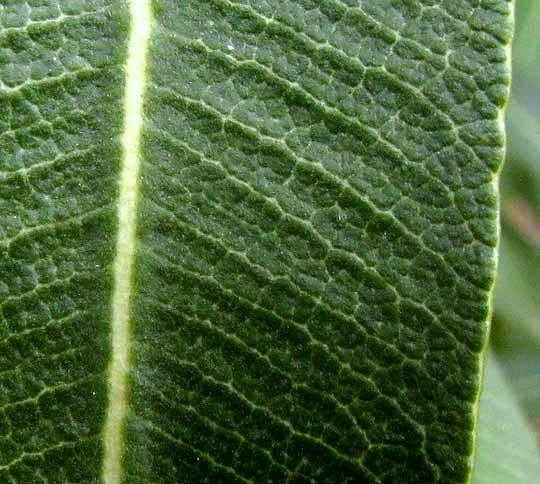
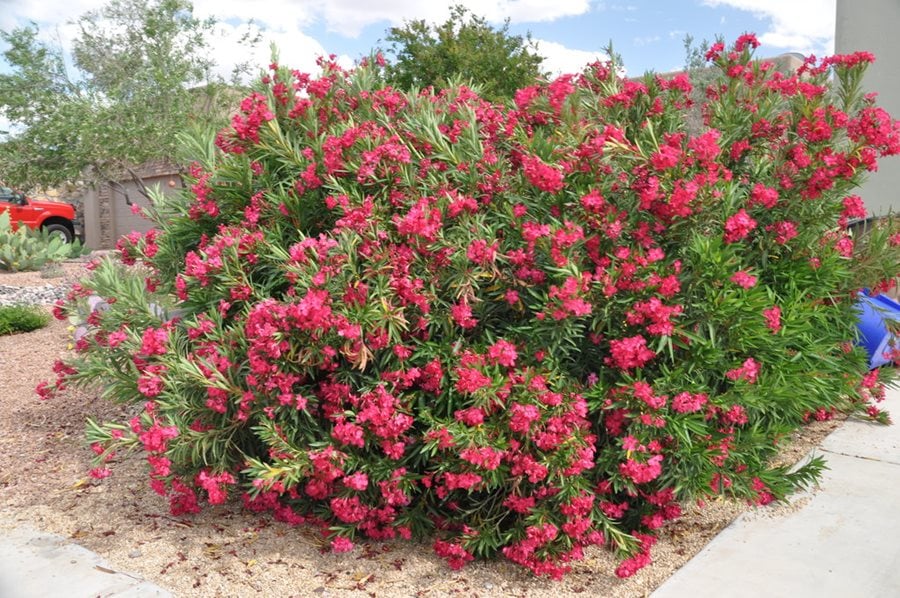
Toxic parts: All parts (especially leaves and flowers)
Toxic principle: Cardiac glycosides
Oleander is a popular ornamental shrub in the South, prized for its colorful blooms. However, it’s extremely toxic—even small amounts can affect the heart.
Symptoms in pets:
- Vomiting and diarrhea
- Slow or irregular heart rate
- Weakness or collapse
🌼 Sago Palm (Cycas revoluta)
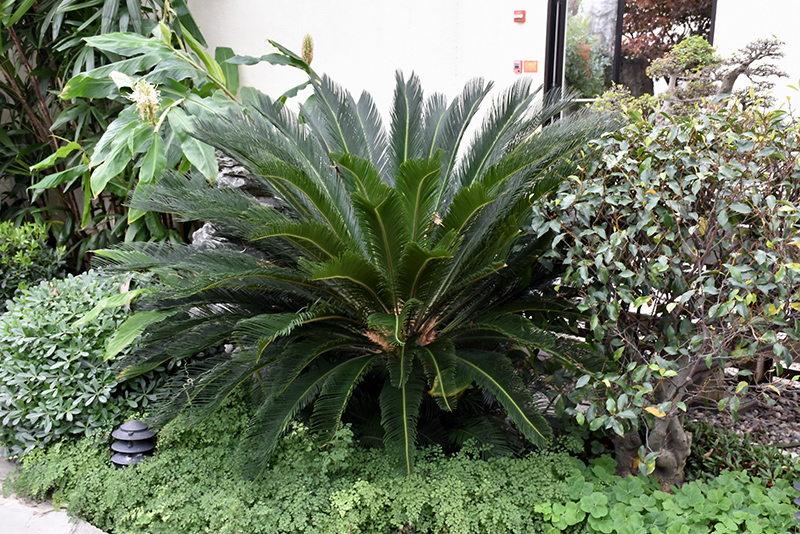
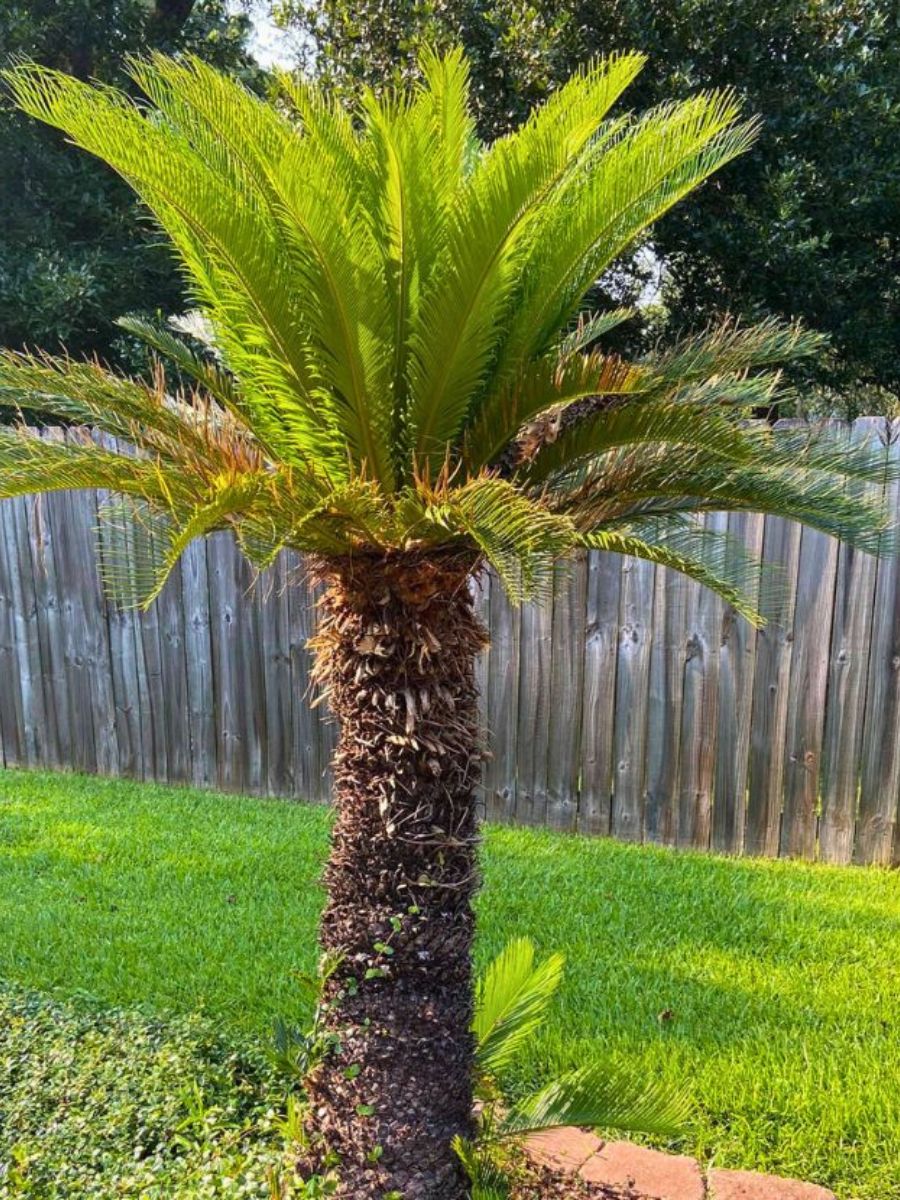
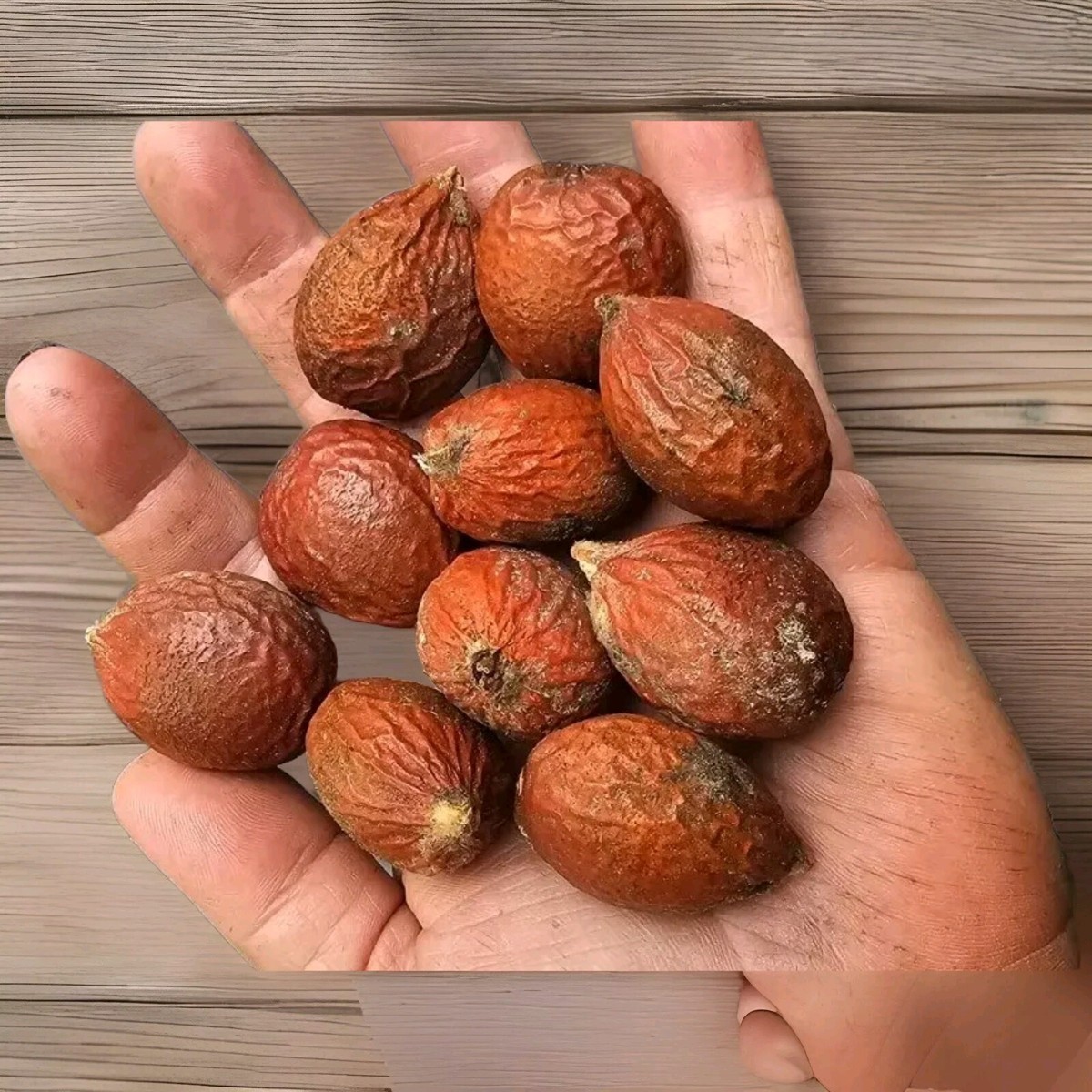
Toxic parts: Entire plant (especially seeds)
Toxic principle: Cycasin
Despite its tropical look, the sago palm is one of the most dangerous plants for dogs.
Symptoms:
- Severe vomiting
- Liver failure (acute hepatic necrosis)
- Seizures
⚠️ Even ingestion of a single seed can be life-threatening.
🌸 Azalea & Rhododendron (Rhododendron spp.)
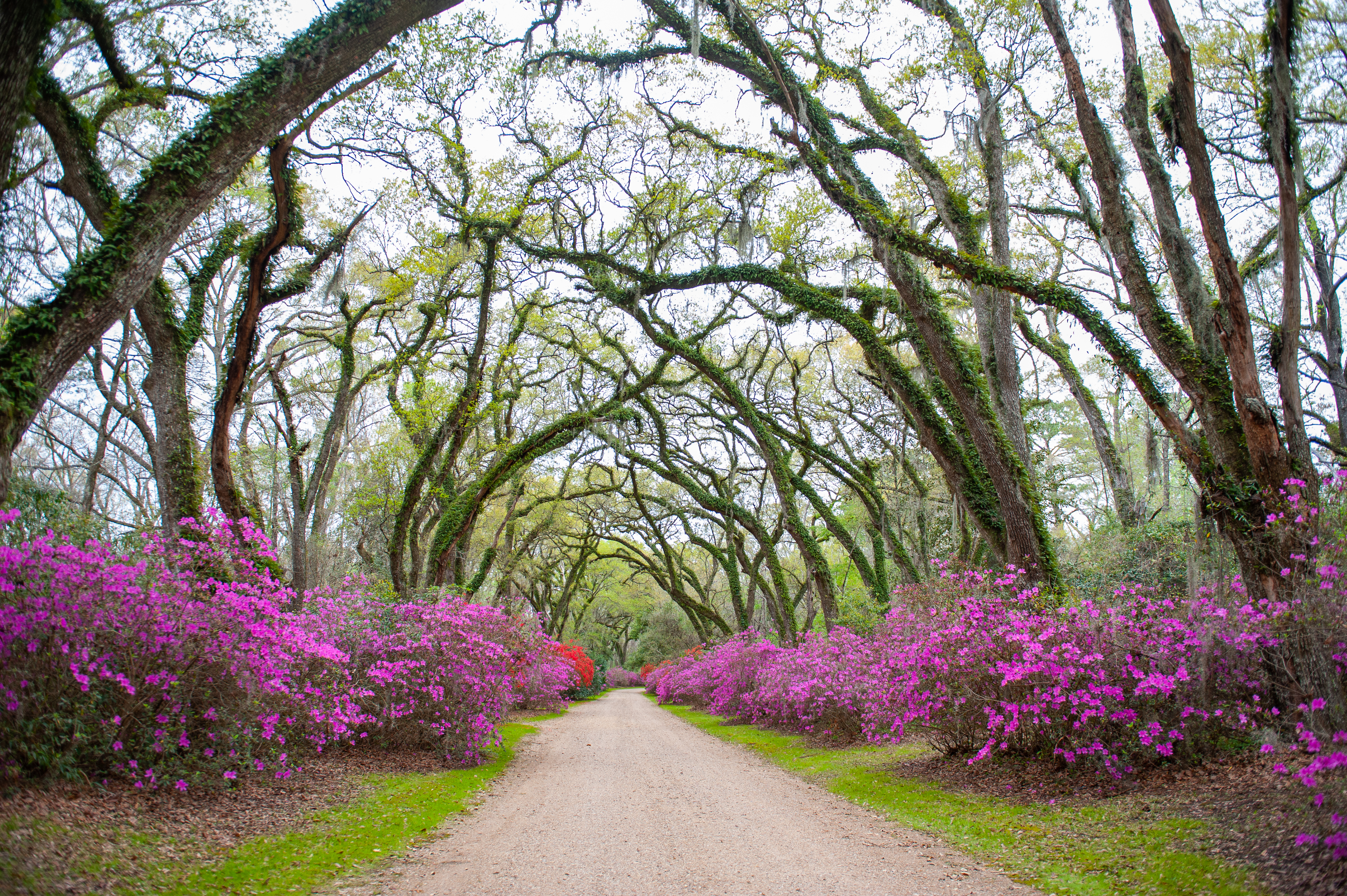


Toxic parts: Leaves, flowers, nectar
Toxic principle: Grayanotoxins
These flowering shrubs thrive in Louisiana’s climate but pose a risk to pets.
Symptoms:
- Drooling and vomiting
- Weakness
- Abnormal heart rhythm
🌿 Lantana (Lantana camara)

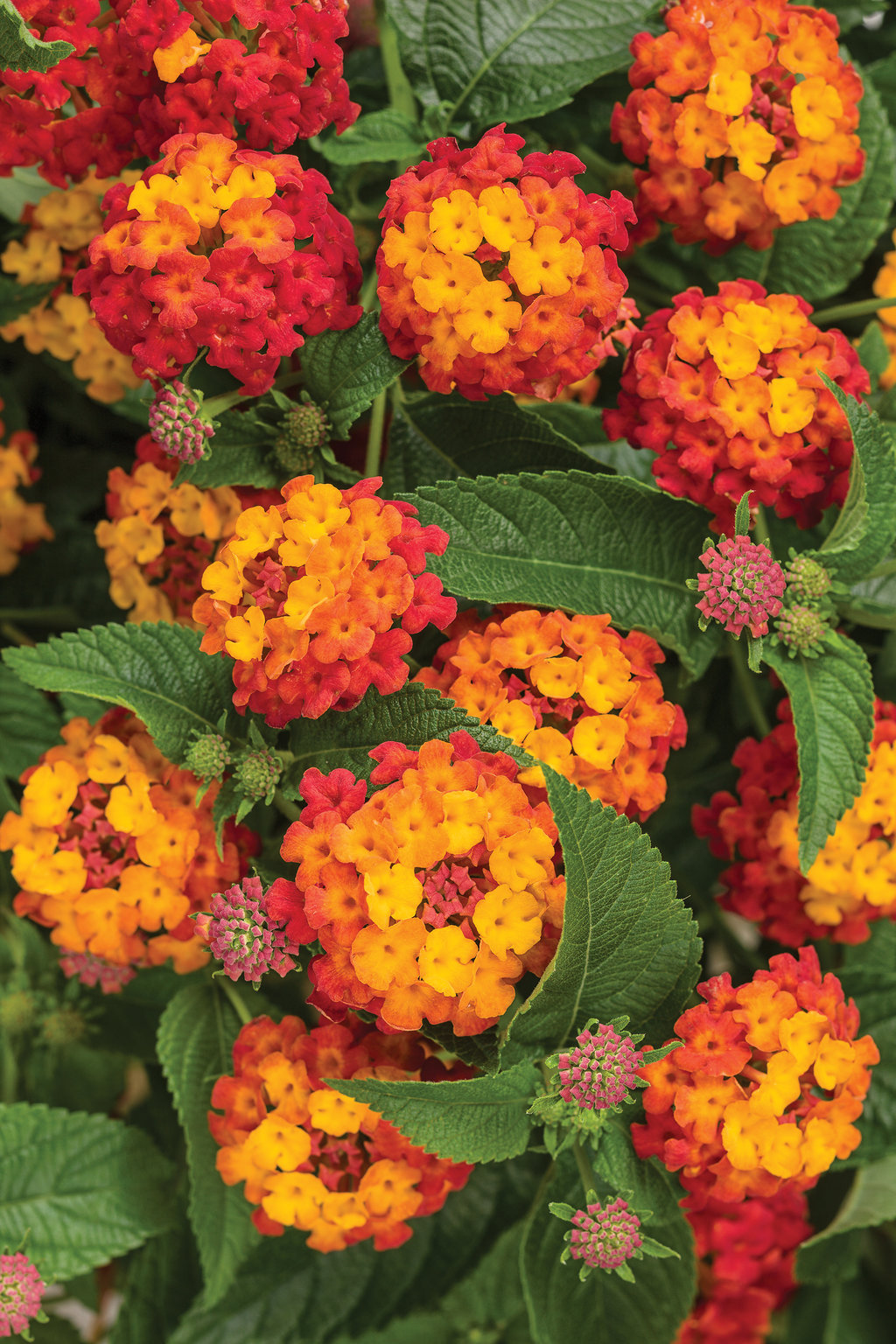
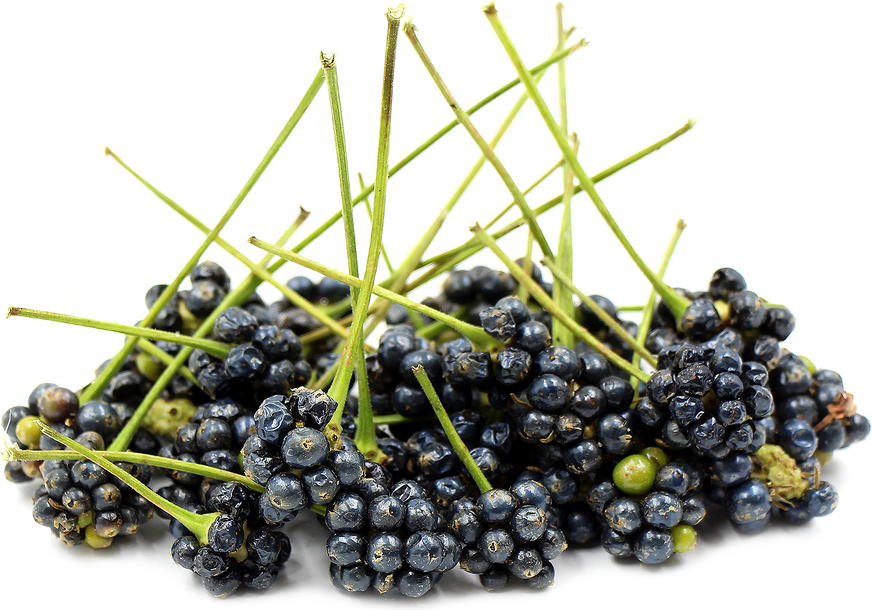
Toxic parts: Leaves and unripe berries
Toxic principle: Pentacyclic triterpenoids
Often used for its bright clusters of flowers, lantana can cause issues if ingested.
Symptoms:
- Gastrointestinal upset
- Liver damage (with larger ingestion)
- Photosensitization (sensitivity to sunlight)
🌼 Daffodil (Narcissus spp.)
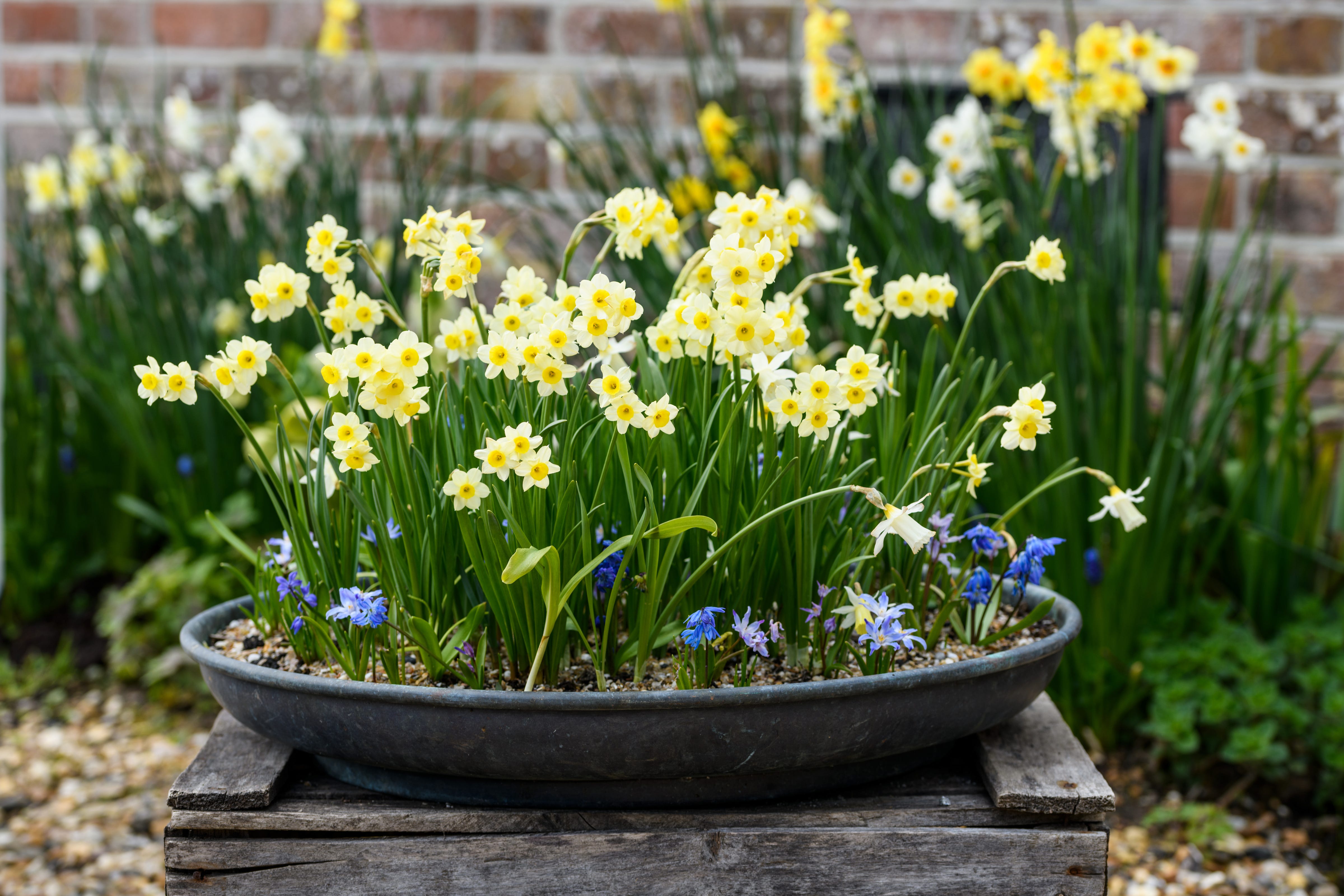
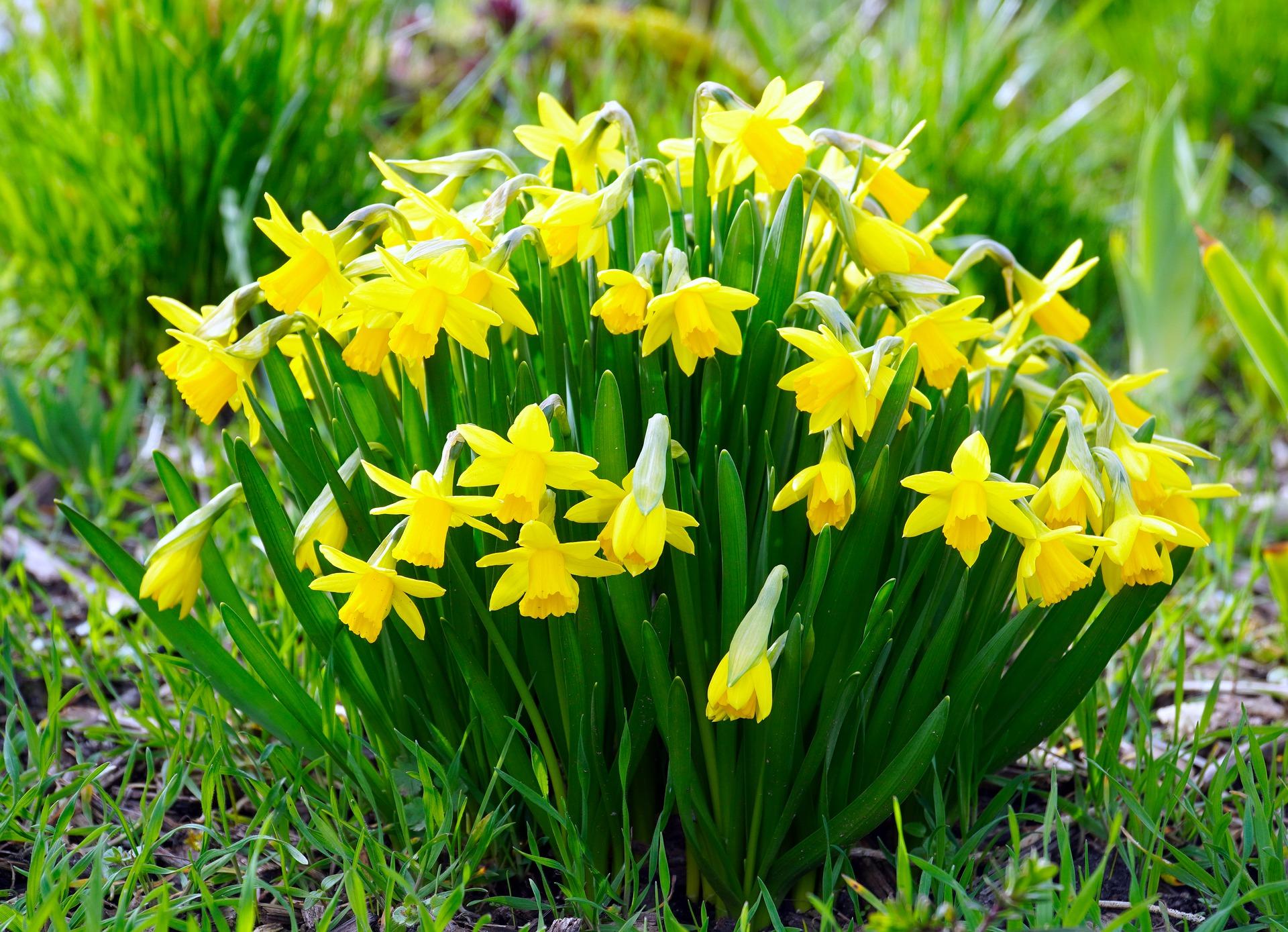
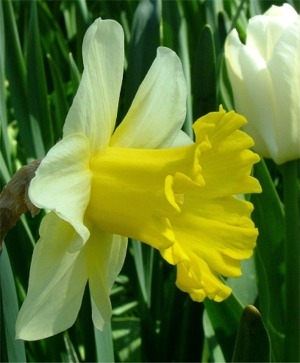
Toxic parts: Bulbs (most toxic), leaves
Toxic principle: Lycorine
Dogs digging in the yard are especially at risk from daffodil bulbs.
Symptoms:
- Vomiting
- Abdominal pain
- Tremors or cardiac arrhythmias in severe cases
🌿 Castor Bean Plant (Ricinus communis)

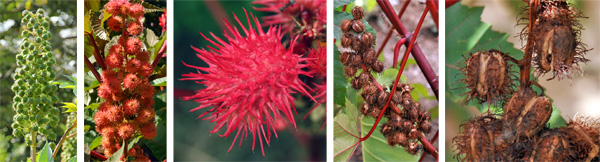
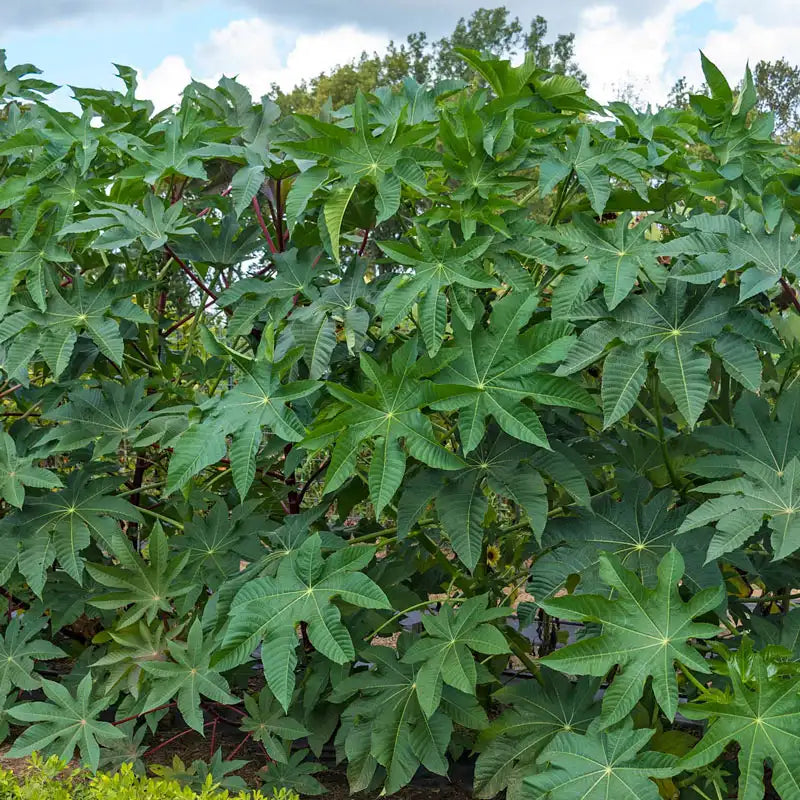
Toxic parts: Seeds (beans)
Toxic principle: Ricin
This striking plant is sometimes grown for its dramatic foliage—but it contains one of the most potent plant toxins known.
Symptoms:
- Severe vomiting and diarrhea
- Dehydration
- Organ failure
🐾 How to Protect Your Pets
Creating a pet-safe yard doesn’t mean sacrificing beauty—it just means making informed choices.
Tips for Louisiana pet owners:
- ✔️ Research plants before adding them to your landscape
- ✔️ Supervise pets, especially puppies and curious chewers
- ✔️ Fence off garden beds or newly planted areas
- ✔️ Promptly remove fallen leaves, seeds, or bulbs
- ✔️ Train pets with “leave it” commands
🚨 When to Call the Vet
If your pet may have ingested a toxic plant, don’t wait for symptoms to worsen.
Contact your veterinarian or an emergency clinic immediately. You can also reach out to the ASPCA Animal Poison Control Center for guidance.
🌱 Pet-Safe Alternatives for Southern Yards
Consider swapping toxic plants for safer options like:
- Camellia
- Magnolia
- Sunflower
- Basil and rosemary


Click Here to Visit Our Online Store

Hurricane Updates!


 Call Now!